Have you ever been told you’re “too sensitive” or “overthinking it”? Maybe you’ve said it to yourself after crying over something that “wasn’t that deep,” or after going quiet for days without knowing why.
Here’s another way to look at it: your feelings aren’t too much. The world is just really, really loud.
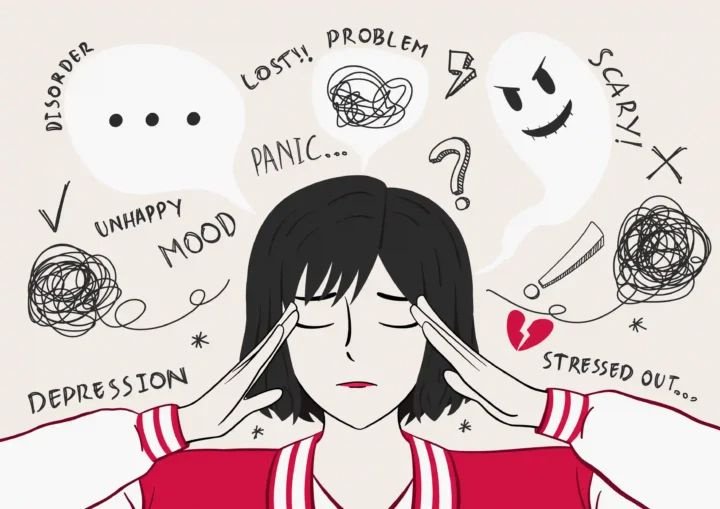
Living at full volume
Gen Z grew up with constant notifications, news cycles, group chats, and endless feeds. Your brain takes in more information in a day than earlier generations did in weeks. Add exams, career pressure, money worries,
and the expectation to look like you have it all together, and it’s no surprise your nervous system is running on empty.
Anxiety and depression often grow in that noise. They don’t mean something is wrong with you. They’re signs you’ve been absorbing too much for too long.
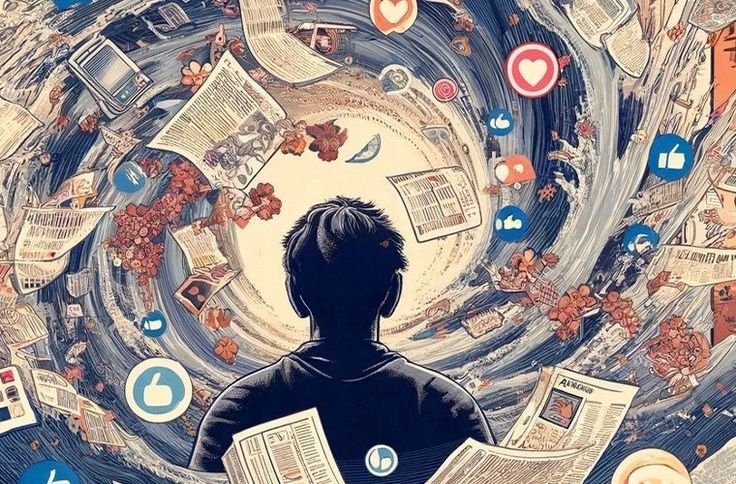
What anxiety sounds like
Anxiety is the loud one. It’s racing thoughts, a tight chest, and a mind that keeps asking “what if?” What if I fail? What if they’re upset with me? What if I’m falling behind? It can make you replay conversations, avoid people, or lie awake at 3 a.m.
What depression sounds like
Depression is quieter. It’s a heavy fog, a flat feeling, an exhaustion that sleep doesn’t fix. It’s losing interest in things you once loved and feeling guilty about it. Often nobody notices, because you’ve gotten very good at saying “I’m fine.”
Why we dismiss our own feelings
- Comparison: Everyone’s highlight reel makes your real life feel like failure.
- Hustle culture: Rest feels like something you have to earn.
- “Others have it worse“: Your pain is valid even if someone else’s looks bigger.
- Fear of being a burden: So you stay silent instead of reaching out.
Turning the volume down
You can’t mute the world, but you can lower it:
- Create quiet pockets. Put your phone down for 30 minutes. Take a walk, listen to music, or just sit.
- Name what you feel. “I’m overwhelmed” is more helpful than “I’m broken.”
- Curate your feed. Unfollow accounts that make you feel small.
- Talk to someone. One honest conversation can lighten what hours of overthinking can’t.
- Rest without guilt. Rest is maintenance, not laziness.
When it’s time to get support
If you’ve felt hopeless, numb, or constantly on edge for more than two weeks, or your sleep, appetite, or focus have changed, it’s worth talking to a counselor or mental health professional. Therapy isn’t a last resort. It’s a tool, and using it is a strength. If you ever have thoughts of hurting yourself, please reach out to someone you trust or a local helpline right away.
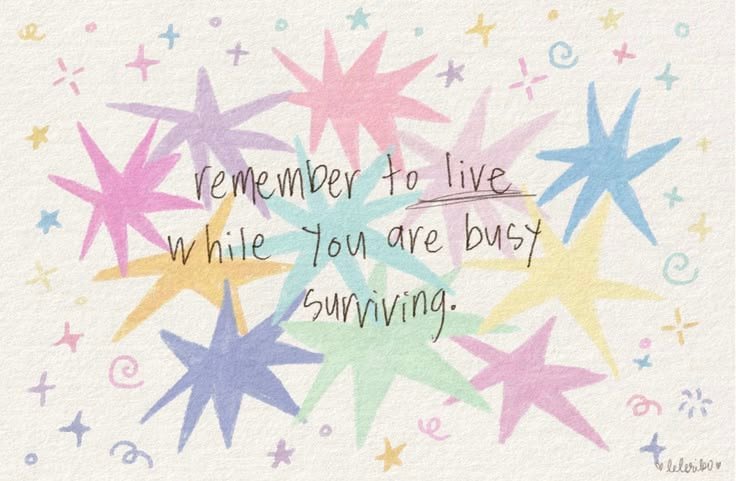
You’re not too much
The next that inner voice says you’re overreacting, try answering back: I’m not too much. I’m just feeling things in a loud world.