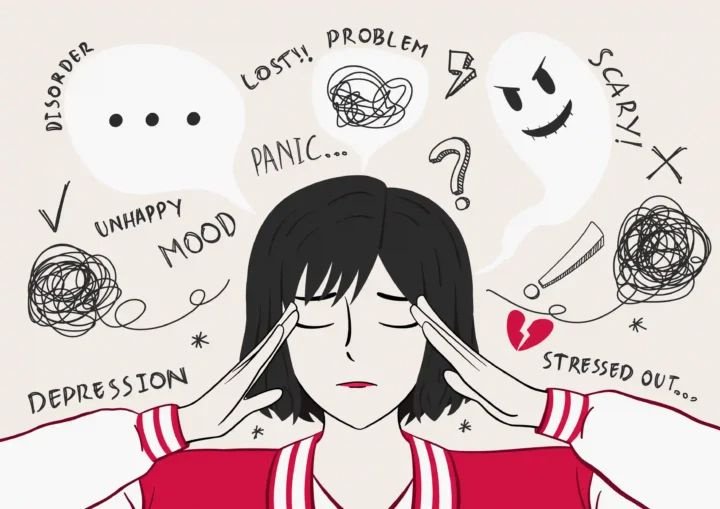
If that sounds familiar, you’re not overreacting. You’re experiencing climate anxiety, and you’re in very good company.
Name the Feeling Keeping You Awake
Climate anxiety, sometimes called eco-anxiety, is the distress people feel about the climate crisis and its impact on the planet, on communities, and on the future.1 It isn’t a formal mental illness. Psychologists generally see it as a rational response to a real threat.2 It can show up as worry, sleeplessness, irritability, guilt, grief, or a heavy sense of helplessness.
It hits young people especially hard. In a global survey of 10,000 people aged 16 to 25, nearly 60% said they were very or extremely worried about climate change, and more than 45% said these feelings affected their daily lives.3 Many are making big life decisions, like careers, homes, and whether to have children, under the shadow of an uncertain climate future. But it isn’t limited to any age group. A recent meta-analysis of 94 studies found the pattern across many countries, with higher levels among women and younger people.4 Farmers watching unpredictable seasons, parents worrying about their kids’ futures, and people who have lived through floods or fires all carry it too.
Big Planet, Small You: The Helplessness Gap
Climate change is a strange kind of problem. It’s enormous, slow-moving, and global, yet it feels intensely personal. We’re fed a constant stream of alarming news, but the solutions can seem distant, political, or out of our hands. That gap between the size of the problem and the size of one person’s power is where anxiety thrives.1,3
Add in social media, where doom is endlessly shareable, and it’s easy to slip into doom scrolling. The more we consume, the more powerless we can feel.
Your Worry Is a Superpower
Here’s a reframe worth holding onto: climate anxiety is a sign of empathy, not weakness. It shows you’re paying attention and that you value the natural world and the people in it.2 The goal isn’t to eliminate that feeling. It’s to keep it from consuming you, and to channel it into something useful.
Your Anti-Doom Toolkit
Limit your doom diet. Stay informed, but set boundaries. Check the news once or twice a day rather than every hour, and follow sources that include solutions, not just disasters.
Name what you feel. Grief, fear, and anger are all valid. Talking about them with friends, family, or a therapist takes away much of their power. Support groups for climate distress exist for exactly this reason.5
Spend time in nature. It sounds simple, but a walk in a park, a weekend hike, or even tending a windowsill herb garden reconnects you with what you’re trying to protect and calms your nervous system.5
Focus on what you can control. You can’t fix the climate alone, and nobody expects you to. But small choices add up: reducing waste, eating more plant-based meals, using public transport, conserving energy, or supporting sustainable businesses.
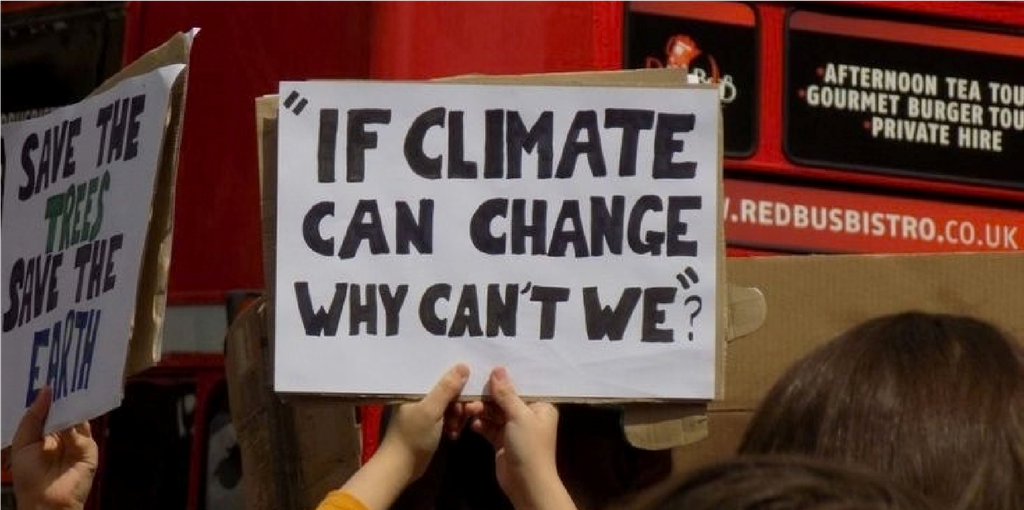
Take collective action. Anxiety shrinks when it becomes action, and action grows when it’s shared. Join a local environmental group, volunteer for a cleanup, plant trees, or advocate for climate policies in your community. Being part of something bigger is one of the strongest antidotes to helplessness.2,5
Look for the good news. Renewable energy is getting cheaper, electric vehicles are going mainstream, and communities around the world are restoring forests and wetlands.6 Progress is real, even when it’s uneven.
Hope Is a Habit, Not a Mood
Hope isn’t about pretending everything is fine. It’s a decision to keep showing up, even when the outcome is uncertain. Every fraction of a degree we prevent matters, and every person who acts makes it easier for others to act too.7
So the next time the worry creeps in at midnight, take a breath. Your concern is not a burden. It’s proof that you’re one of the many people this planet needs right now.
You don’t have to save the world today. You just have to keep caring, and keep doing your part.
References
1. Clayton,S.(2020). Climate anxiety: Psychological responses to climate change. Journal of Anxiety Disorders,
74, 102263.
2. Clayton, S., Manning, C. M., Krygsman, K., & Speiser, M. (2017). Mental Health and Our Changing Climate: Impacts, Implications, and Guidance. American Psychological Association and eco America.
3. Hickman, C., Marks, E., Pihkala, P., et al. (2021). Climate anxiety in children and young people and their beliefs about government responses to climate change: A global survey. The Lancet Planetary Health, 5(12), e863-e873. https://doi.org/10.1016/S2542-5196(21)00278-
4. Kühnr, C., Gemmecke, C., Hüffmeier, J., & Zacher, H. (2025). Climate change anxiety: A meta-analysis.
Global Environmental Change, 93, 103015
5. Pihkala, P. (2020). Anxiety and the ecological crisis: An analysis of eco-anxiety and climate anxiety. Sustainability, 12(19), 7836
6. International Renewable Energy Agency (IRENA). (2024). Renewable Power Generation Costs in 2023. Abu Dhabi: IRENA.
7. Intergovernmental Panel on Climate Change (IPCC). (2023). Climate Change 2023: Synthesis Report. Contribution of Working Groups I, II and III to the Sixth Assessment Report. Geneva: IPCC.